
Pelvic Health
Support for a pelvic floor that needs it
Everyday, wearable support for the muscles that hold you up. Not a treatment, not a promise — a garment built around the pelvic floor, for people who think about theirs every day.
The Basics
A hammock you never think about — until you have to
The pelvic floor is a sling of muscle and connective tissue running from the pubic bone back to the tailbone. It carries the weight of the bladder, bowel and uterus, helps control when you go, and works with the diaphragm and abdominal wall as the base of your core.
Pregnancy and childbirth, menopause, ageing, chronic coughing, heavy lifting, surgery and simple genetics can all leave that sling weaker or less coordinated. When it stops managing pressure well, the pressure has to go somewhere — and that is what people feel as leaking, heaviness, or an ache that never quite settles.
None of this is rare, and none of it is something you have to accept quietly.
How Common This Is
You are in very large company
women in the United States lives with at least one symptomatic pelvic floor disorder.
Nygaard et al., JAMA (2008)prevalence rises with age: around one in ten women aged 20–39, around half of women aged 80 and over.
Nygaard et al., JAMA (2008)women report some urinary leakage in the first three months after giving birth.
NICE guideline NG210of men have lasting leakage after prostate surgery, long after the expected recovery window.
J. Clin. Med. review (2023)What It Can Feel Like
If any of this is familiar
People describe pelvic floor problems in very ordinary words, which is part of why they go unnamed for years.
- —Leaking when you cough, sneeze, laugh or lift something
- —A heaviness, dragging or bulging feeling low down
- —Constant pressure in the lower abdomen or pelvis
- —Low-back or pelvic ache from bracing and compensating all day
- —A core that feels unstable — as if nothing underneath is holding
- —Abdominal separation after pregnancy, alongside the symptoms above
What Actually Helps
In order of how much we know
We would rather be useful than persuasive, so here is the honest ranking — including where our own product sits in it.
Strong evidence
Pelvic floor muscle training
Supervised pelvic floor muscle training is the recognised first-line approach for stress urinary incontinence and for mild to moderate prolapse. Doing the exercises correctly matters more than doing them often, which is why guidance from a professional makes such a difference.
Source: NICE NG210Strong evidence
Pelvic health physiotherapy
A specialist physiotherapist can assess what your pelvic floor is actually doing — weak, overactive, poorly timed — and build a programme around it. If you take one thing from this page, take this one.
Source: Cochrane reviewModerate evidence
How you breathe and lift
Current thinking is less about avoiding effort and more about avoiding breath-holding and straining through it. Exhaling on exertion and managing load over time is generally better than giving up movement altogether.
Source: NICE NG210Clinician-led
Medical options
Pessaries and surgical options exist and can work well for prolapse and incontinence. They belong in a conversation with a doctor who has examined you, not in an article on a clothing website.
Source: Cochrane reviewLimited evidence — comfort and support
External support garments
Compression and support garments are studied mainly for how they change comfort, perceived support and movement, not as a treatment. Research on pelvic support shorts suggests they can reduce felt heaviness and pain during activity. That is a useful thing. It is not a cure, and it does not replace anything above.
Source: Frontiers in Sports & Active Living (2024)Where The Lady Lock Fits
Built around the pelvic floor, from the outside
The Lady Lock was designed as a support garment first and an apparel product second. Its patented architecture was built to hold the pelvic region and stabilise the core — which is why people who came to it for reasons that had nothing to do with sport keep finding their way to it.
What it offers is mechanical and immediate: something under you while you go about your day. What it cannot offer is a cure, and we won't pretend otherwise. Think of it as the thing you wear while you do the work that actually rebuilds the muscle.
A band that runs underneath
The patented D-Band doesn't stop at the waist. It continues under the crotch and lifts the pelvic floor toward its natural position, so the garment holds from below rather than only squeezing around the middle.
Hips held, not just compressed
The shorts differentiate between muscle groups instead of applying one flat squeeze. The hips are locked in, which is where a lot of the felt instability comes from.
Pressure shared, not dumped
With the hips locked and the pelvic floor lifted, the core is supported in three directions at once. Day-to-day load — standing, carrying, coughing, walking — is spread across the structure rather than landing straight down.
Wearable all day
This is clothing, not equipment. It goes on under what you already wear, and the Active Cotton fabrications keep it breathable enough to leave on from morning to evening.
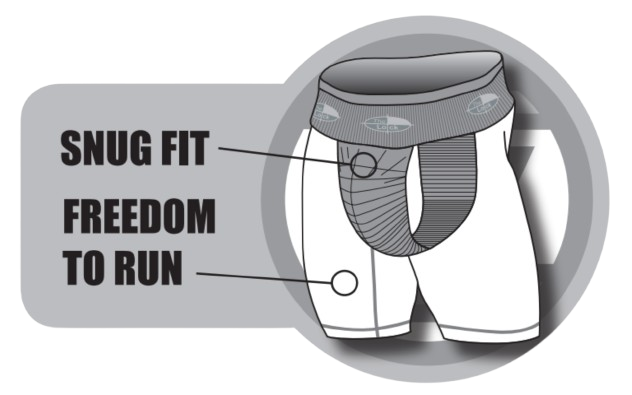
The D-Band travels under the crotch and up over the hips — the reason the support is felt from underneath rather than only around the waist.
A Practitioner's Read
Someone who works on bodies for a living
Practising chiropractor Dr. Sean Fletch sat down with Lock Apparel to discuss the patented architecture — how it supports the pelvic floor, stabilises the core, and relieves back pain during everyday movement, not only in sport.
A practitioner's professional opinion about a garment's design. Not a clinical trial, and not advice about your own situation.
Watch the conversationThe Garments
For women, first
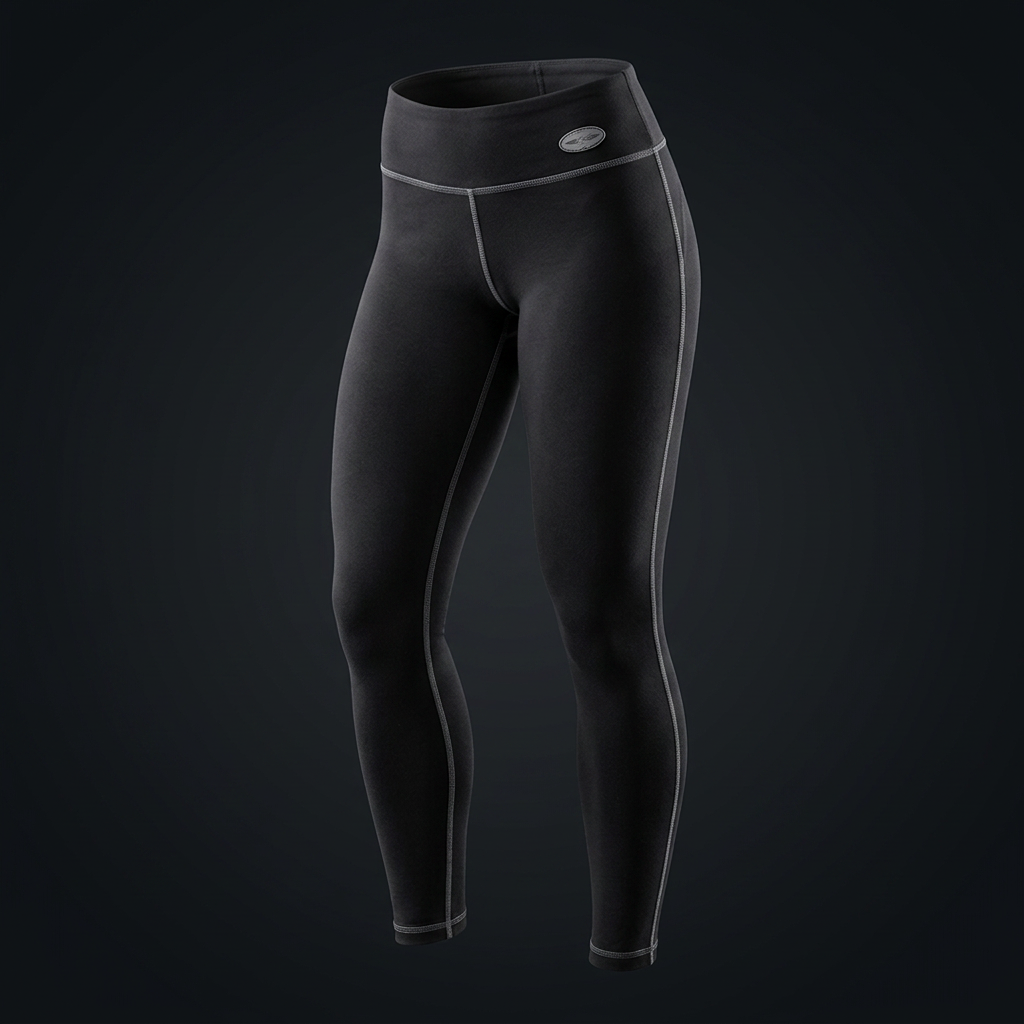
The Lady Lock Shorts
The core garment: patented support under the pelvic floor, hip-hugging fit, tummy control. Worn under clothes or on their own.
ViewThe Lady Lock Tights
The same patented support in a full-length legging, with Active Cotton legs for all-day breathability.
View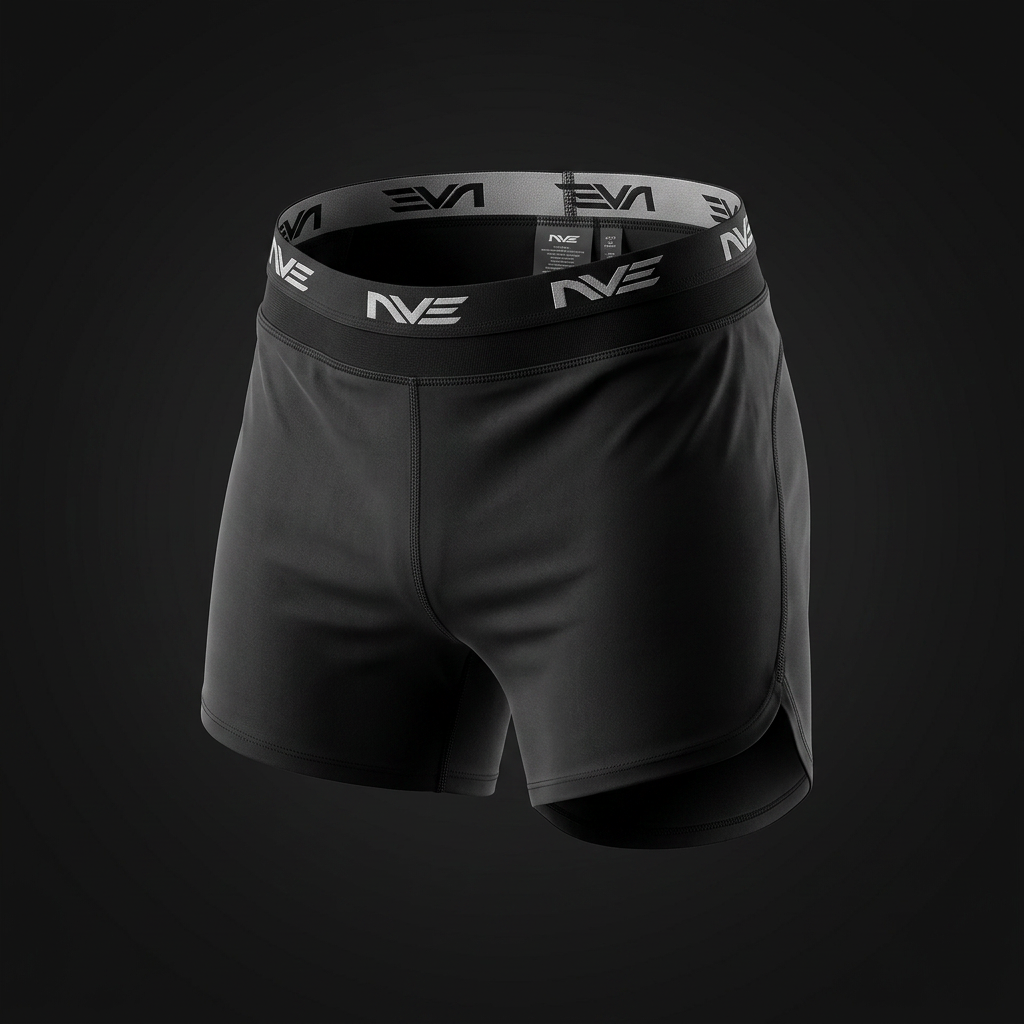
For Men
The Lock
Men look for pelvic support too — most often after prostate surgery, where lasting leakage affects an estimated 5 to 15 percent of men well beyond the usual recovery window. The Lock's D-Band gives pelvic floor support and locked-in core stability while holding the anatomy in a comfortable, secure position.
Questions People Ask
Straight answers
Is this a medical device?+
No. The Lady Lock and The Lock are support apparel with a patented construction. They are not registered medical devices, they are not prescribed, and they are not a treatment for any condition.
Will it stop me leaking?+
We can't tell you that, and nobody selling clothing should. What the garment does is hold the pelvic region and stabilise the core from underneath, which many people experience as less heaviness and more security through the day. For leakage itself, pelvic floor muscle training and a pelvic health physiotherapist are the evidence-backed route.
Can I wear it all day?+
Yes — it is designed as everyday apparel, worn under clothing or on its own, and the Active Cotton fabrications keep it breathable. It should feel supportive and snug, never painful or restrictive. If it hurts or leaves marks, size up or stop wearing it.
Can I wear it while doing my pelvic floor exercises?+
Ask your physiotherapist. Some clinicians prefer you feel your own muscles working without a garment during exercises, and use support for the rest of the day. Your programme comes first.
Is it useful after childbirth?+
Many people look for support in that period, for both pelvic floor and abdominal recovery. Wait for clearance from the professional looking after you before adding compression, especially after a caesarean, and treat the garment as support alongside rehabilitation rather than instead of it.
How should it fit?+
Snug and even, with the band sitting flat and the under-crotch panel in contact without digging in. If you are between sizes and wearing it for support rather than sport, the larger size is usually the more comfortable choice for long days.
If This Sounds Like You
Start with a professional. Wear something that supports you while you do.
The most valuable thing on this page is the suggestion to see a pelvic health physiotherapist or your doctor. The second most valuable is knowing that a garment built specifically around the pelvic floor exists, and that you can put it on tomorrow.
Please note
This page is informational and is not medical advice. Lock Apparel garments are support apparel, not medical devices, and are not intended to diagnose, treat, cure or prevent any condition. Speak with a qualified clinician about your own symptoms, and seek care promptly for new, sudden or worsening symptoms.